What Proper Hydration Actually Does for Energy, Focus, and Sleep
Aug 18
If you feel tired even after sleeping, wake up thirsty at night, or crash every afternoon, you are probably searching for one culprit. In our experience at HealthCore Clinic in Wichita, the answer is rarely one thing. Hydration, sleep, and nutrition operate as a single system, and a weakness in one pillar shows up as symptoms in the other two. Understanding how the pieces fit together is the first step toward feeling better every day.
The Three Pillars of Everyday Health
The basics of staying healthy come down to three inputs your body cannot skip. Hydration means giving your body enough fluid to maintain blood volume, regulate temperature, and move nutrients where they need to go. Sleep is the nightly recovery window when your brain clears waste and your hormones reset. Nutrition is the fuel and raw material for everything else, from steady blood sugar to the building blocks of sleep hormones.
These three pillars are interdependent, not separate checklists. A deficit in one pillar produces symptoms that look like a problem in another. That is why single-fix advice usually disappoints. You can buy a new mattress, but if you are mildly dehydrated every afternoon, you will still feel exhausted. The list below maps common complaints we hear from patients across Sedgwick County to the pillar most likely involved.
- Afternoon energy crash
- Most likely involved: Hydration or nutrition
- Why: Low fluid intake or a blood sugar spike from lunch
- Brain fog at work
- Most likely involved: Hydration
- Why: Even mild fluid loss impairs attention and memory
- Waking at 3 a.m.
- Most likely involved: Sleep and hydration timing
- Why: Late fluids, alcohol, or dry mouth fragment rest
- Constant sugar cravings
- Most likely involved: Sleep
- Why: Short sleep shifts hunger hormones toward high-calorie food
Key Takeaway: Hydration, sleep, and nutrition form one interconnected system. Fixing symptoms in isolation often fails because the real weakness sits in a different pillar than the one producing the complaint.
So what does hydration specifically deliver? The benefits are more concrete than most wellness marketing suggests.
How Hydration Affects Energy and Focus
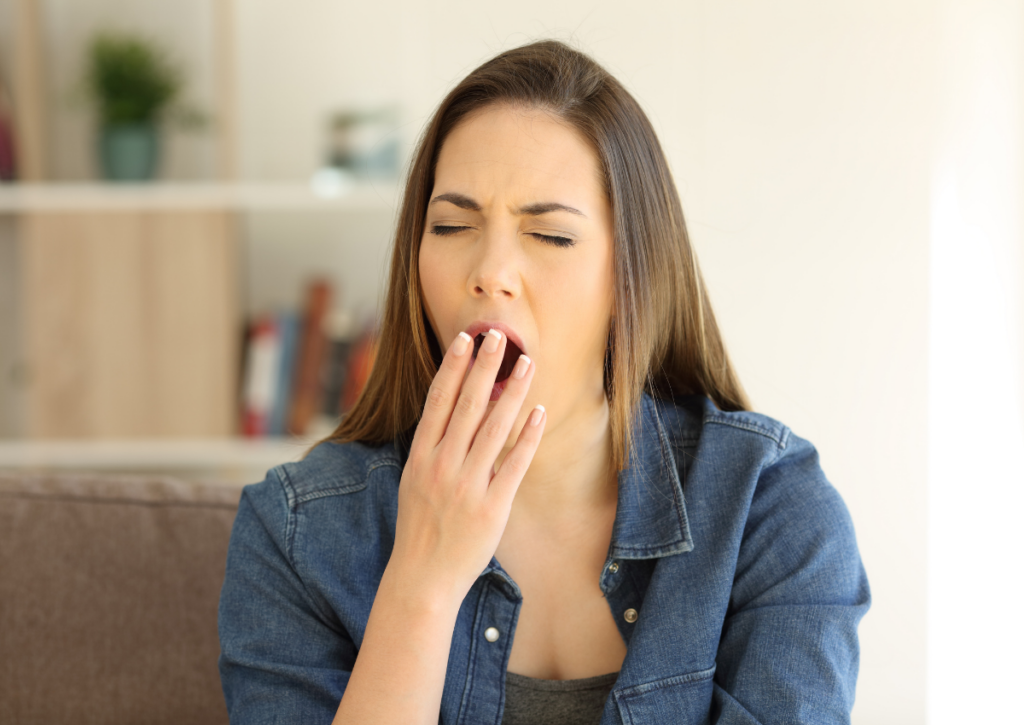
The human brain is roughly 73 to 75 percent water, and research shows that mild dehydration of just 1 to 2 percent of body weight measurably impairs mood, concentration, and working memory [Source: Journal of Nutrition, University of Connecticut Human Performance Laboratory]. That threshold matters because you often cross it before you feel thirsty. Thirst is a lagging signal, not an early warning.
The Energy Mechanism
Water maintains blood volume, and blood volume determines how efficiently oxygen and nutrients reach your muscles and brain. When you are dehydrated, blood volume drops, so your heart works harder to move the same amount of oxygen. That extra cardiac effort feels like fatigue. Many people mistake dehydration fatigue for poor sleep or low blood sugar, then reach for coffee or a snack when a glass of water would have solved the problem. Electrolytes like sodium and potassium keep this fluid balanced inside and outside your cells, which is why heavy sweating calls for more than plain water.
The Focus Mechanism
Cognitive studies consistently find that mild dehydration reduces attention, slows reaction time, and worsens mood, particularly during tasks that require sustained concentration. The 1 to 2 percent body weight threshold is the useful anchor here. For a 170-pound adult, that is roughly 2 to 3 pounds of fluid loss, which can happen over a normal workday with skipped water breaks. If you feel foggy at 2 p.m., dehydration is one of the cheapest hypotheses to test.
Hydration does not just shape your daytime. It follows you into the night, and the relationship runs in both directions.
The Two-Way Link Between Hydration and Sleep
Dehydration harms sleep, and poor sleep worsens hydration. On the first side, mild dehydration can cause dry mouth, dry nasal passages, and nighttime leg cramps, all of which fragment rest. Dehydration is also associated with shorter sleep duration overall.
On the second side, sleep regulates vasopressin, a hormone that tells your kidneys to conserve water overnight. Vasopressin release ramps up in the later stages of sleep. A study led by Asher Rosinger at Penn State, published in the journal SLEEP in 2018, found that adults sleeping 6 hours or fewer were more likely to be dehydrated than those sleeping 8 hours, likely because short sleep cuts off that late-night vasopressin window. Sleep poorly and you wake up drier, which then drags down your energy and focus the next day. The loop feeds itself.
There is a practical tension here that most people sense already. Drinking a large volume of water right before bed disrupts sleep by triggering nighttime bathroom trips. The solution is timing, not restriction. Front-load your fluids earlier in the day and taper in the final two hours before bed.
Q: Should I drink water before bed?A small amount is fine, especially if you tend to wake up with a dry mouth. Avoid large volumes in the last one to two hours before sleep, since nighttime bathroom trips fragment deep sleep. If you consistently wake up very thirsty or urinate frequently at night, mention it to a physician. A doctor at HealthCore Clinic can help rule out underlying causes.
Food completes the triangle, and its relationship with sleep is just as bidirectional.

How Nutrition and Sleep Feed Each Other
What and when you eat shapes how you sleep, and how you sleep shapes what you crave the next day. Food is also a hydration source. According to the Institute of Medicine, roughly 20 percent of daily water intake typically comes from food, especially fruits, vegetables, and soups. Skimp on produce and your hydration quietly suffers too.
What Eating Does to Sleep
Heavy meals close to bedtime keep your digestive system active when your core temperature should be dropping, which delays sleep onset. Caffeine has a half-life of roughly 5 to 6 hours, so a 3 p.m. coffee can leave a meaningful dose in your bloodstream at bedtime, delaying sleep and reducing deep sleep [Source: American Academy of Sleep Medicine]. Alcohol is deceptive. It can make you fall asleep faster, but research reviewed in Alcoholism: Clinical and Experimental Research shows it suppresses REM sleep in the first half of the night, leaving rest less restorative. On the positive side, foods containing tryptophan and magnesium support the production of melatonin, the hormone that signals your body it is time to sleep. Eating earlier, lighter dinners is mechanism-backed advice, not folk wisdom.
What Sleep Loss Does to Metabolism
Restricting sleep to around 4 to 5 hours per night increases ghrelin, the hormone that signals hunger, and decreases leptin, the hormone that signals fullness. University of Chicago research by Van Cauter and colleagues, published in the Annals of Internal Medicine, found that sleep-deprived participants reported stronger appetite and a preference for high-carbohydrate, high-calorie foods. Short sleep also impairs glucose regulation the next day. Sleep-deprived people also commonly mistake thirst for hunger, which stacks poor hydration on top of poor food choices.
With the mechanisms in place, the practical question becomes how the three pillars play out across a normal day.
The Three Pillars Across a 24-Hour Cycle
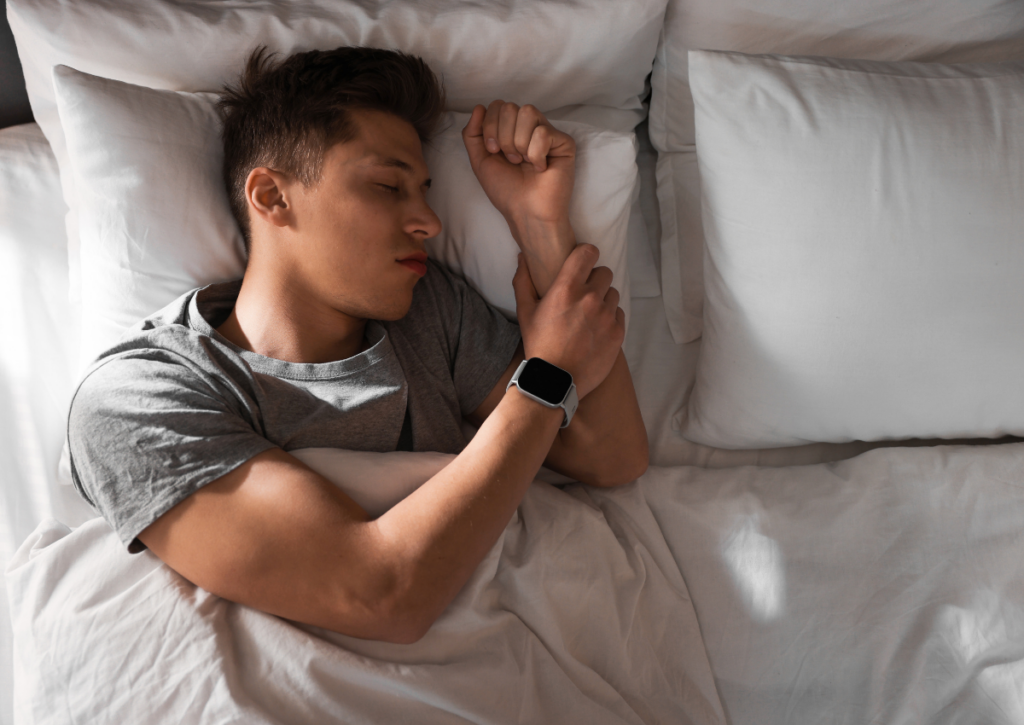
Your body loses fluid overnight through breathing and perspiration, commonly estimated at around a pound of water or more by morning depending on room temperature and humidity [Source: Sleep Foundation]. That is why morning water intake matters. From there, the day follows a predictable rhythm governed by your circadian clock, and a handful of moments give you outsized leverage:
- Within 30 minutes of waking: Drink a glass of water to replace overnight losses before reaching for coffee.
- Midday: Eat a balanced lunch with protein and produce to stabilize blood sugar and add food-based hydration.
- Around 2 p.m.: Make this your caffeine cutoff so the 5 to 6 hour half-life does not collide with bedtime.
- Dinner, 3+ hours before bed: Keep it lighter, and go easy on alcohol to protect REM sleep.
- Final 2 hours before bed: Taper fluids, dim lights to support melatonin, and let your body temperature drop.
Which pillar should you fix first? Honestly, hydration. It is the fastest to correct and the cheapest to test. You can run the experiment this week with tap water and notice within days whether your afternoon fog lifts. Sleep and nutrition changes take longer to show results, though they matter just as much.
Pro Tip: Track one symptom, such as your 2 p.m. energy level, for one week while adding two extra glasses of water before noon. A simple note on your phone tells you more than any supplement purchase.
Q: When should I see a doctor instead of adjusting habits on my own?
If fatigue, excessive thirst, or disrupted sleep persists after two to three weeks of consistent hydration, sleep, and eating habits, it is worth a medical evaluation. Persistent symptoms can signal conditions that lifestyle changes alone will not fix. If you live in Wichita or elsewhere in Sedgwick County, you can schedule an appointment with a physician at HealthCore Clinic to review your symptoms and get guidance specific to your health history.
The three pillars reward small, well-timed choices. Start with water, protect your sleep window, and let food support both. And when the system does not respond, the team at HealthCore Clinic is here to help you find out why.