7 Signs Your Blood Pressure May Be Too High: How Hypertension Shows Up Differently In Women
Sep 22
If you searched for high blood pressure symptoms specifically for women, your instinct is right. Hypertension does present differently in women, and the generic checklists built on decades of male-dominated research often miss the signs women actually experience. Nearly half of U.S. adults have high blood pressure, and among women, rates climb sharply after menopause, eventually exceeding men’s rates after about age 65 [Source: American Heart Association]. So if you’re a woman in your 40s, 50s, or 60s wondering whether your symptoms mean something, you are in very common company, and checking is exactly what proactive women do.
Why High Blood Pressure Looks Different In Women
Hypertension is sustained pressure inside your arteries that forces your heart to work harder and gradually damages blood vessels. Women’s hormonal biology changes how and when that pressure develops, and how the symptoms feel.
The Hormone Connection
Estrogen helps keep blood vessels flexible, which is why most women have lower blood pressure than men through their 30s and 40s. When estrogen declines during menopause, arteries stiffen and blood pressure risk rises quickly, even if your diet and habits haven’t changed. Pregnancy history matters too. Women with a history of preeclampsia, a hypertensive disorder of pregnancy, carry roughly 2 to 4 times the risk of developing chronic hypertension later in life [Source: American Heart Association / Circulation]. Hormonal birth control can also raise blood pressure in some women, which is one reason routine checks matter at every age.
Why Women’s Symptoms Get Missed
Women’s hypertension symptoms tend to be subtle: fatigue, mild breathlessness, fluttering heartbeats. Both women and providers frequently chalk these up to stress, hormones, or anxiety. If you’ve gone undiagnosed for a while, that’s not a personal failure. It’s a well-documented pattern in women’s heart health, and it’s exactly why knowing your own group’s symptom profile matters.
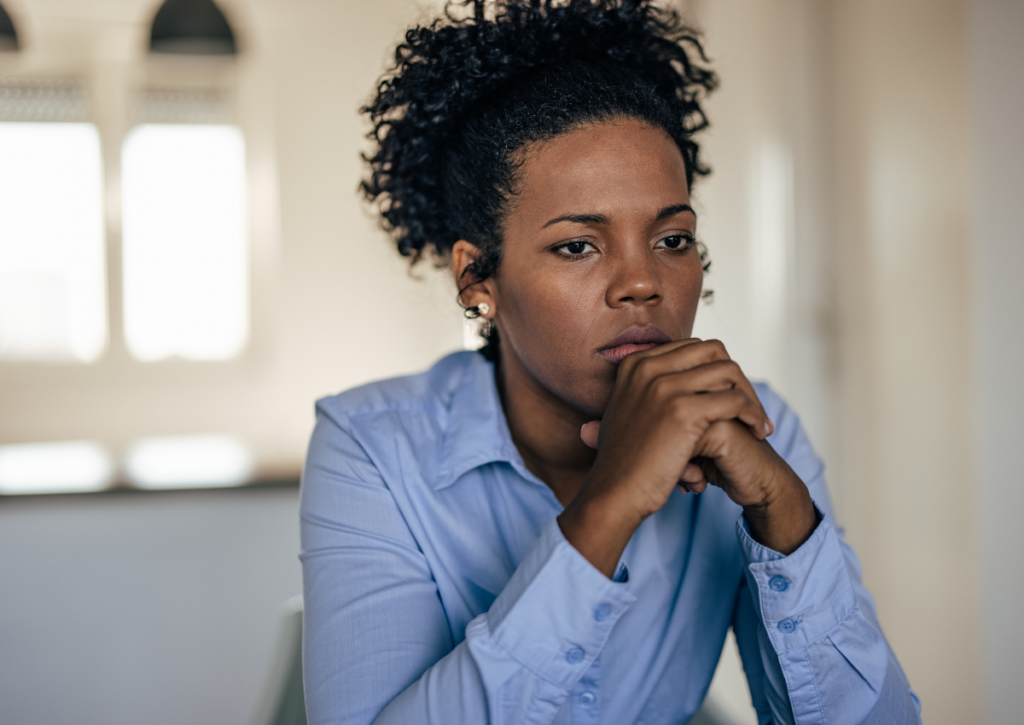
The 7 Signs Your Blood Pressure May Be Too High
These are the seven signs most commonly linked to elevated blood pressure, with notes on how each one tends to show up differently in women.
| Symptom / Sign | How It May Present Differently In Women |
|---|---|
| 1. Headaches | Often felt in the morning, at the back of the head, and easily confused with hormonal migraines |
| 2. Dizziness or lightheadedness | Frequently attributed to menopause, low blood sugar, or anxiety |
| 3. Blurred vision | Brief visual disturbances dismissed as eye strain or aging eyes |
| 4. Persistent fatigue | Written off as busy-life exhaustion or poor sleep |
| 5. Shortness of breath | Assumed to be “out of shape,” even during light activity |
| 6. Chest discomfort or pressure | Felt as pressure, tightness, or heaviness rather than sharp pain |
| 7. Nosebleeds or ringing in the ears | Pulsatile tinnitus, a rhythmic whooshing that matches your heartbeat, is often ignored for months |
Each sign traces back to the same mechanism: sustained pressure damaging small blood vessels and forcing the heart to overwork. Morning headaches can reflect elevated pressure inside cranial blood vessels. Blurred vision happens when high blood pressure damages the tiny vessels in the retina. Unexplained nosebleeds can occur when delicate nasal vessels give way during a pressure spike. Many women experience one or more of these and assume it’s something else entirely.
Signs Women Most Often Dismiss
Fatigue, headaches, and shortness of breath top the list of misattributed symptoms. Persistent fatigue develops when the heart strains against elevated arterial pressure and oxygen delivery suffers, but most women blame stress or menopause first. Getting winded carrying groceries or climbing stairs is another quiet flag. If these sound familiar, you’re not overreacting by wanting a reading.
Signs That Warrant Faster Attention
Chest pressure, sudden vision changes, and a severe headache unlike your usual ones shift from “monitor” to “act now.” These can signal a hypertensive crisis or a cardiac event, and women’s heart symptoms are notorious for being subtler than men’s. When in doubt, get checked the same day.
Key Takeaway: The seven signs of high blood pressure in women, headaches, dizziness, blurred vision, fatigue, breathlessness, chest pressure, and nosebleeds or ear ringing, are frequently mistaken for stress or menopause. A five-minute blood pressure reading settles the question.
When Hypertension Stays Silent Or Mimics Anxiety
The uncomfortable truth: most people with high blood pressure feel completely fine. Hypertension is called the silent killer because it often produces no symptoms at all until organ damage has occurred. You can have dangerously elevated blood pressure and notice nothing. That’s why the absence of symptoms is not reassurance, and why regular checks matter more than waiting for warning signs.
For women, there’s a second complication. Racing heart, chest tightness, and dizziness overlap almost perfectly with anxiety symptoms, and research on sex differences in cardiovascular care shows women’s cardiac symptoms are more likely to be attributed to anxiety or stress than men’s [Source: Circulation: Cardiovascular Quality and Outcomes].
Anxiety Or Blood Pressure?
A few practical differentiators help. Anxiety episodes typically have a trigger, peak within minutes, and ease as you calm down. Hypertension persists at rest, day after day, regardless of mood. But the only reliable answer is a measured reading during an episode. A racing heart and dizziness can signal either anxiety or high blood pressure, and a cuff reading is the only way to know which.
Q: Can you have high blood pressure and feel fine?
Yes. Most hypertension is asymptomatic. Many women only discover elevated blood pressure through a routine check at a pharmacy or a clinic visit, which is why providers recommend regular readings rather than waiting for symptoms.
What Counts As High For Women At Every Age
Under the 2017 ACC/AHA guidelines, hypertension begins at 130/80 mmHg, lower than the old 140/90 threshold [Source: American College of Cardiology]. The categories in plain language:
- Normal: below 120/80
- Elevated: 120 to 129 systolic, diastolic below 80
- Stage 1 hypertension: 130 to 139, or 80 to 89
- Stage 2 hypertension: 140/90 or higher
- Hypertensive crisis: 180/120 or higher, seek immediate care
So a reading of 140 over 90 is stage 2 hypertension, not borderline. It’s worth a doctor’s appointment, though not usually an emergency on its own.
Reading Your Two Numbers
Systolic pressure, the top number, is the pressure when your heart beats. Diastolic, the bottom number, is the pressure between beats. Think of a garden hose: systolic is the surge when the tap opens, diastolic is the baseline pressure in the line. After menopause, the systolic number usually matters most for women.
How Readings Shift Through Menopause
Most women in their 40s sit near normal ranges. Through the 50s and 60s, average systolic readings climb as arteries stiffen, and post-menopausal women often see numbers rise despite unchanged habits. Common, yes, but the thresholds don’t loosen with age. A 130/80 reading means the same thing at 65 as it does at 45.
When To Check, When To Call The Doctor
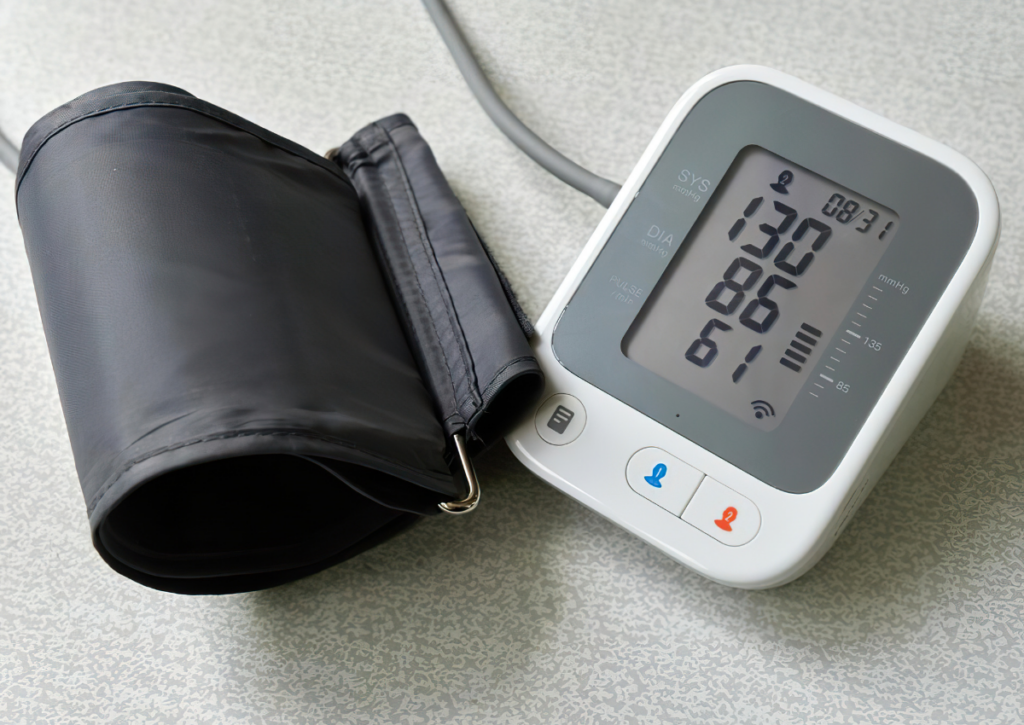
Most women can answer “is my blood pressure too high?” at home with an affordable drugstore cuff in under five minutes. If you’d rather have a professional reading and a conversation, we offer blood pressure checks at HealthCore Clinic in Wichita, and scheduling an appointment with one of our doctors is the fastest way to get a clear answer instead of weeks of worrying.
Getting An Accurate Home Reading
Sit quietly for five minutes first. No caffeine or exercise for 30 minutes beforehand. Sit with feet flat, back supported, and the cuff on your bare upper arm at heart level. Take two readings a minute apart and average them [Source: American Heart Association]. One high reading is not a diagnosis. Consistently elevated readings at or above 130/80 mean it’s time to book a visit, and readings at 140/90 or above deserve a prompt appointment.
Numbers That Mean Emergency
A reading of 180/120 or higher with chest pain, severe headache, vision loss, face drooping, or trouble speaking is a hypertensive emergency. Call 911. A single stressful-day spike without symptoms is different: rest five minutes and recheck, then call your doctor if it stays that high.
Pro Tip: Bring your home monitor to your next appointment. Our doctors at HealthCore Clinic can check it against clinic equipment, since a wrong cuff size alone can produce falsely high readings.
Q: How often should women check their blood pressure?
With normal readings, once or twice a year is typically fine. Women who are post-menopausal, have a preeclampsia history, or have had elevated readings usually benefit from weekly home checks and regular follow-up with their doctor.
What Catching High Blood Pressure Early Means For You
Heart disease and stroke are among the leading causes of death for women in the United States [Source: CDC], and high blood pressure is the most modifiable driver of both. Catching elevated readings in your 40s or 50s is one of the highest-leverage health moves a woman can make. Untreated, hypertension quietly damages the heart, brain, kidneys, and eyes. Caught early, it’s very manageable. Research shows the DASH eating pattern can lower systolic pressure by roughly 8 to 14 points, regular aerobic exercise by 5 to 8, and sodium reduction by 5 to 6 [Source: NIH/NHLBI]. Many women manage early-stage hypertension with these changes plus monitoring, with medication as a partner when needed, not a life sentence.
Noticing these signs and getting checked isn’t an overreaction. It’s what most proactive women do. If you’re in the Wichita area, schedule an appointment with a doctor at HealthCore Clinic and get a real number, and a real plan, this week.